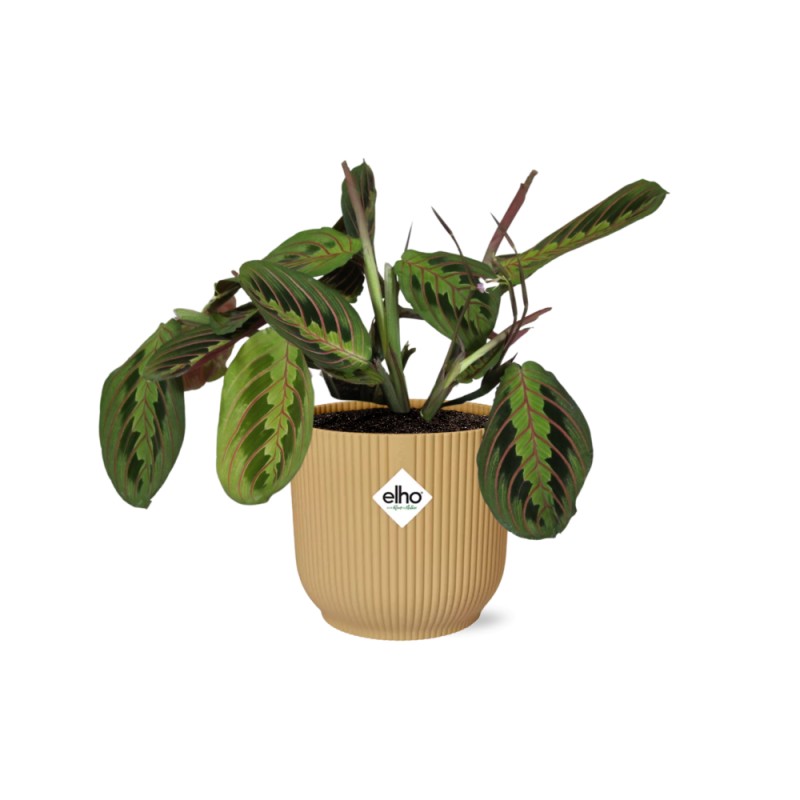
The Prayer plant, scientifically known as Maranta, is a popular indoor plant due to its stunning foliage and ease of care. Its name comes from the way its leaves fold up at night, resembling hands in prayer. This unique feature adds to its charm and makes it a favorite among plant enthusiasts. The Prayer plant is native to the tropical regions of Central and South America, including areas like Brazil, Costa Rica, and Colombia. It thrives in warm and humid environments, which makes it the perfect addition to any indoor space.
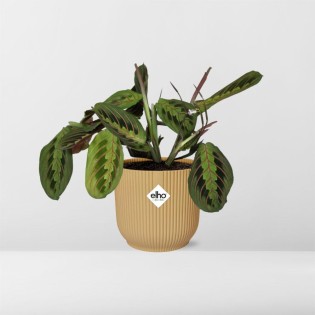
Maranta originally grows in the rainforests of these regions, where it is shaded by larger trees and receives filtered sunlight. This makes it well-suited to low-light conditions, making it an ideal choice for indoor gardening. The plant features beautifully patterned leaves with vibrant colors, including various shades of green, red, and purple. With proper care, the Prayer plant can grow and thrive indoors, adding a touch of natural beauty to your living space while also helping to purify the air.
The Maranta, or Prayer plant, thrives in a spot with gentle, indirect light, making it ideal for a halfshadow location. Regular watering once per week keeps the soil moist but not waterlogged. The Prayer plant prefers well-draining soil that is rich in organic matter. It is recommended to provide fertilizer to the plant every 2-4 weeks during the growing season, using a balanced, water-soluble fertilizer diluted to half-strength. With these care instructions, this beautiful plant will flourish in its ornamental pot.
Prayer plants, or Maranta leuconeura, are commonly used as indoor plants due to their attractive foliage. The vividly patterned leaves with various shades of green create a stunning display, making them a popular choice for adding visual interest to any indoor space. These plants thrive in low to medium light conditions, making them suitable for use in homes, offices, and other indoor environments. Additionally, their ability to fold their leaves up at night gives them their unique name and adds to their appeal as a decorative plant.

 Navigation sécurisée
 Plantes de qualité
 Livraison par transporteur qualifié
 Plantes des 4 continents